Older homes, commercial buildings, and industrial properties can end up holding hazardous materials that affect both human health and the environment. Lead-based paint and asbestos were once common in construction mainly because of their durability and insulation advantages. When those materials get cracked, disturbed, or turned into airborne dust, exposure can bring serious, long- lasting trouble.
It is helpful for spotting these sorts of hidden dangers before any renovation, demolition, or routine maintenance starts. When lead asbestos testing is done correctly, property owners can make safer indoor places, help safeguard nearby environments, and follow key safety rules that matter.
In this blog, we will discuss the impact of lead asbestos testing on health and environmental safety.
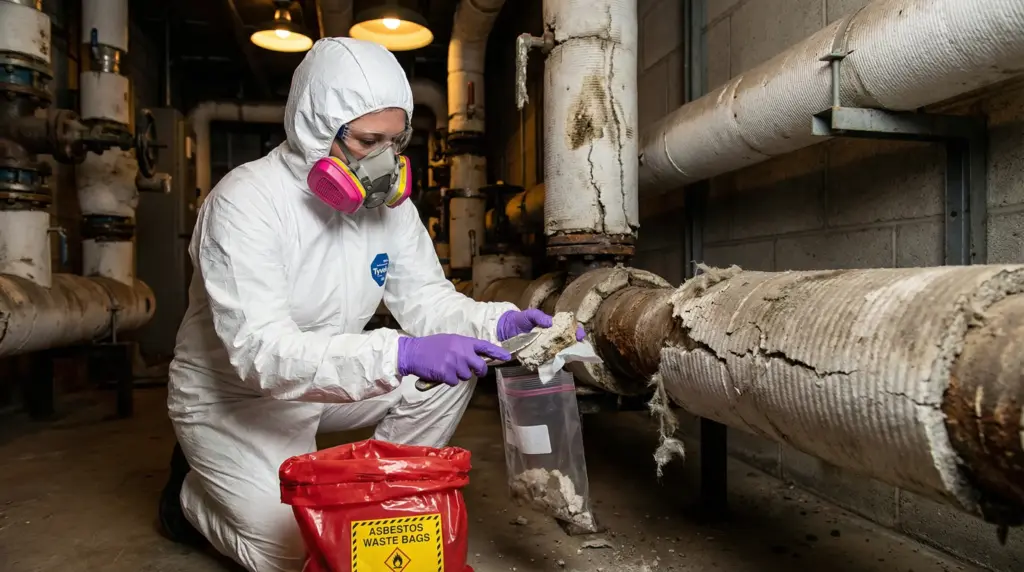
Early Detection of Hazardous Materials
Before any construction or remodeling project really starts, testing can uncover dangerous substances that might stay hidden for a while, and then you know, you can actually act.
1. Helps Spot Hidden Contamination
Lead paint could be present under several layers of more modern paint in older buildings. With professional testing, these materials are identified before they become a real danger
2. Reduces Surprise Exposure
When renovation work messes with hazardous materials, it can push harmful particles right into the air. If they are identified early, the safe handling plans and removal steps can be organized ahead of time, without rushing or guessing.
3. Improves Waste Disposal Safety
Materials that have lead or asbestos can not be thrown away the same way as regular garbage. Services likewater and mold remediation near me can help reduce more health impacts and contamination risks, which matters a lot.
Protects Human Health
Getting exposed to lead and asbestos can lead to serious health complications for grown-ups as well as kids.
1. Reduces breathing problems
Asbestos fibers can end up in the lungs if they are inhaled. If exposure keeps going for a long while, it may help trigger lung conditions and cause a hard time with breathing, so you realize it sooner or later, too.
2. Helps minimize lead poisoning risks
Lead can disrupt brain development, particularly in children. It helps reduce contact with contaminated dust, old paint, or even soil in the yard and around the home.
3. Helps create safer indoor environments
Correct inspections and fire damage restoration services help support cleaner air quality in homes, offices, and similar spaces after smoke or structural damage.
Supports Safe Renovation and Demolition Projects
Construction activities can accidentally spread hazardous materials if testing is skipped, like easily missed.
1. Improves Project Planning
Contractors can line up proper containment and disposal methods. Safer work practices lower risks for workers and nearby residents, not only in theory but in real life too.
2. Prevents Cross-Contamination
Hazardous dust can drift into ventilation systems and into surrounding areas as well. Testing helps cap environmental contamination during projects.
3. Reduces Legal And Compliance Issues
Lots of local and federal rules seem to call for asbestos removal and testing before any major renovations really get going. If you follow the right safety guidelines and stick to the inspection procedures, it usually helps prevent penalties, legal trouble, and expensive schedule delays even when the construction timeline is pretty tight.
Helps Protect the Environment
Lead and asbestos contamination can mess with soil, air, and nearby ecosystems if it is not handled in the right way, properly, like properly.
1. It may reduce Air Pollution
With controlled handling, you limit the escape of dangerous particles into the atmosphere. When containment is done correctly, it helps shield the surrounding neighborhoods.
2. It helps prevent Soil and Water Contamination
If hazardous materials are thrown away the wrong way, they can end up contaminating nearby land and water. Ongoing testing keeps things aligned, with environmental benchmarks, and not by guesswork.
3. It supports responsible waste management
Certified experts typically stick to the approved disposal procedures for hazardous materials, including when water damage mold remediation are happening. Cleaner disposal approaches, over time, help lessen long-term ecological damage, and they also protect indoor air quality and the well-being of the public.
Wrapping Up
Lead asbestos testing is a key step for keeping places safe and healthy, especially in older structures where dangerous materials can still be hiding. Doing the right kind of checking lowers the chance of harmful exposure, it also supports renovation plans that are safer, and it helps you avoid environmental contamination. When risks are spotted early, property owners get a chance to choose better actions that protect residents, workers, and even neighbors. Putting money into professional lead asbestos testing not only raises safety standards, but it also helps with long-term property value and shows responsibility toward the environment.
Fun Guys offers dependable lead asbestos testing services, so health and environmental risks can be reduced through proper identification of hazardous materials. With professional inspections and testing that are accurate, we help make renovations safer, indoor places healthier, and property management more environmentally aware.
Protect Your Property With Reliable Lead Asbestos Testing!
Guard your property, your well-being, and the environment with professional lead and asbestos testing services. With early detection and the right handling of hazardous substances, you can make safer dwellings, offices, and building endeavors, while also lowering the long-term exposure and expensive surprises later. It helps, especially when risk is hiding in plain sight, and people ignore it.
FAQs
Lead asbestos testing is basically the process of inspecting and analyzing building materials to see if they contain dangerous lead-based paint or asbestos-containing materials.
Because renovation work can end up disturbing hazardous materials, and then those things can release harmful particles or fine debris into the air.
Older homes, schools, commercial buildings, and industrial properties that were built before modern safety rules are more likely to have lead or asbestos.
Yes. If asbestos materials are damaged, and if lead-contaminated dust settles, the indoor air can take a hit, which can create health risks for everyone inside.